Blog

  • MID IR supercontinuum laser Light Source broadband white light source

    MID IR supercontinuum laser Light Source broadband white light source

    MID IR supercontinuum laser Light Source broadband white light source.

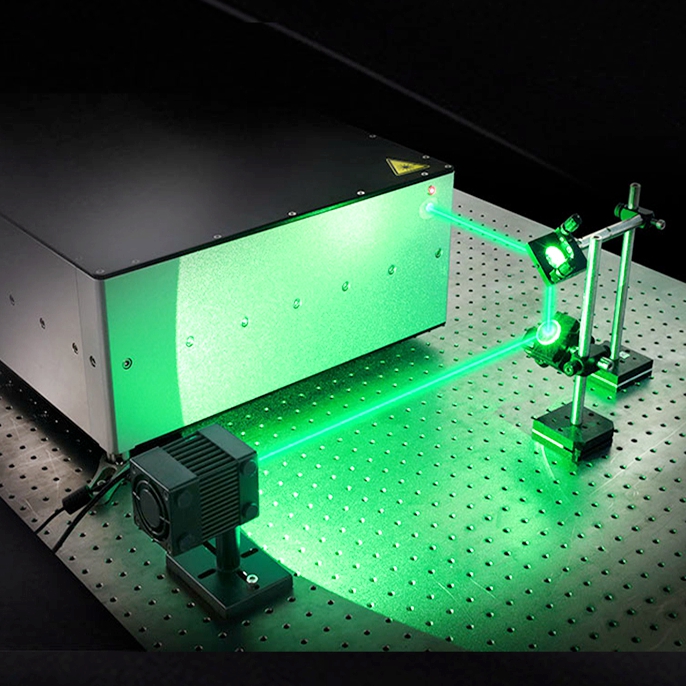
    BQSC-Pro is the MID IR supercontinuum laser broadband white light source with repetition rate 10kHz – 80MHz. It has a MID IR wavelength spectral output from 2000nm to 2400nm with 8W-20W total output power. It has the unique feature of 1MHz-80MHz external triggerable range for locking to the mode-locked laser for pump-proben. It offers >1µJ pulse energy (@1MHz), ideal source for super resolution microscopy.

    Features:

    Total power: >8W (10-20W Optional)
    Internal Repetition Rate: 0.1-80MHz
    External Triggerable: 1-80MHz
    Wavelength: 2000nm-2400nm
    Pulse Energy: >1uJ
    Single-Mode Output
    NIM trigger signal output, externally triggerable

    Applications:

    OCT
    Fluorescence Spectroscopy and Microscopy
    Nanophotonics
    Super-Resolution Imaging
    Photocurrent microscopy
    Photoacoustic Microscopy

  • Supercontinuum Laser Source White Light Source 410nm-2400nm

    Supercontinuum Laser Source White Light Source 410nm-2400nm

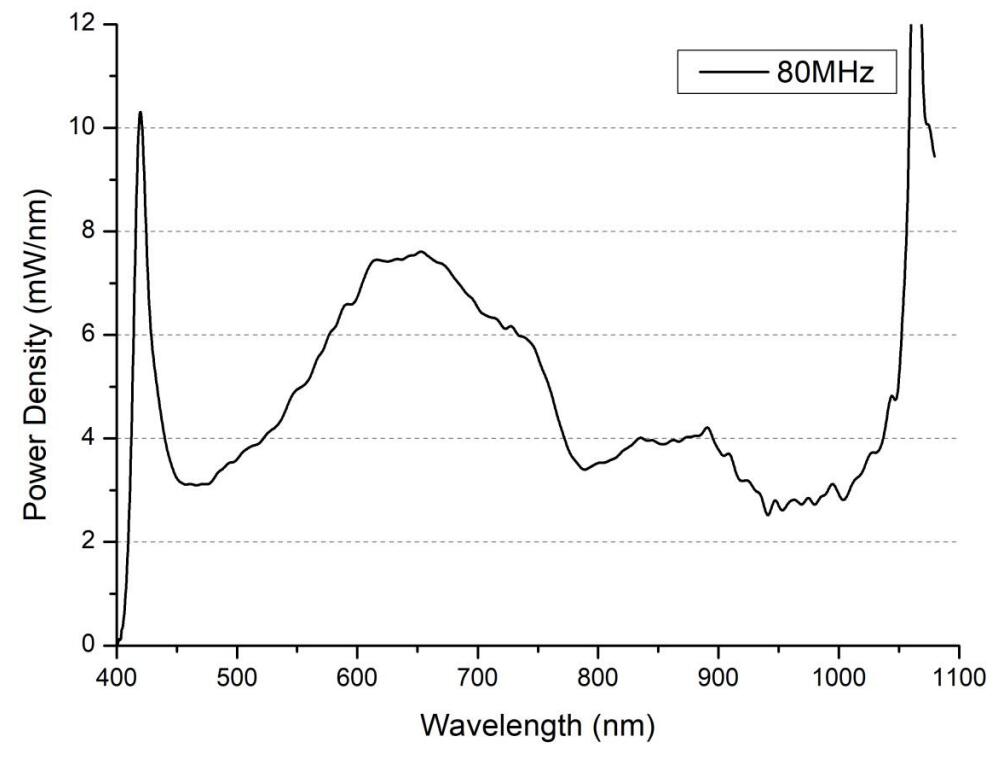
    PRO-MLD Supercontinuum Laser Source White Light Source has a seed source pulse duration of 6ps. It delivers a wide spectral output ranging 410nm-2400nm with 7W output power. The optional 10kHz to 80MHz repetition rate capability makes it an ideal source for the applications such as low noise OCT, fluorescence microscopy and etc.

    Features:

    Wavelength: 410nm-2400nm
    Total power: 7W
    Repetition Rate: 80MHz
    Seed source pulse duration: ~6ps
    Single-Mode Output

    Applications:

    OCT
    Fluorescence Spectroscopy and Microscopy
    Nanophotonics
    Super-Resolution Imaging
    Photocurrent microscopy

  • Comparison between HCSEL, VCSEL and EEL

    Comparison between HCSEL, VCSEL and EEL

    Comparison between HCSEL, VCSEL and EEL

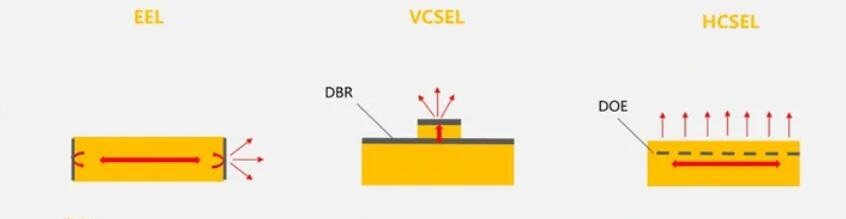
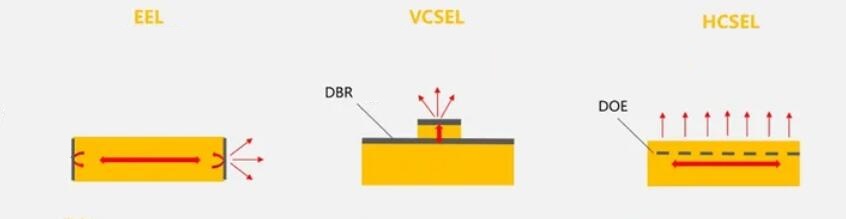
    Different from LED light sources, HCSEL laser are horizontal resonance and vertical light-emitting surface of the cavity. It has the advantages of VCSEL in overall tape-out and easy packaging at the wafer level. HCSEL laser has the long cavity length and high power of EEL.

    Compared with VCSEL:

    1 . HSCEL has better beam quality, better polarization and higher signal-to-noise ratio than VCSEL.

    1. Narrow spectral linewidth: Narrow spectral linewidth and stable wavelength facilitate effective noise filtering in 3D sensing and LiDAR applications.
    2. Excellent beam quality: Excellent beam quality reduces the difficulty of optical shaping.
    3. Excellent polarization degree: Excellent polarization degree is beneficial to sensing detection and optical beam combining.

    Comparison with EEL:

    1. HSCEL laser has higher power, larger output diameter, and simpler manufacturing process than EEL.
    2. High single-tube power: Ultra-high single-tube power reduces the number of chips used and reduces costs.
    3. Large output caliber: Large output caliber gives ultra-high chip reliability.
    4. Simple manufacturing process: Simple chip manufacturing process theoretically ensures that the cost is lower than EEL.
  • Cutting Clear Acrylic with Diode Laser

    Cutting Clear Acrylic with Diode Laser

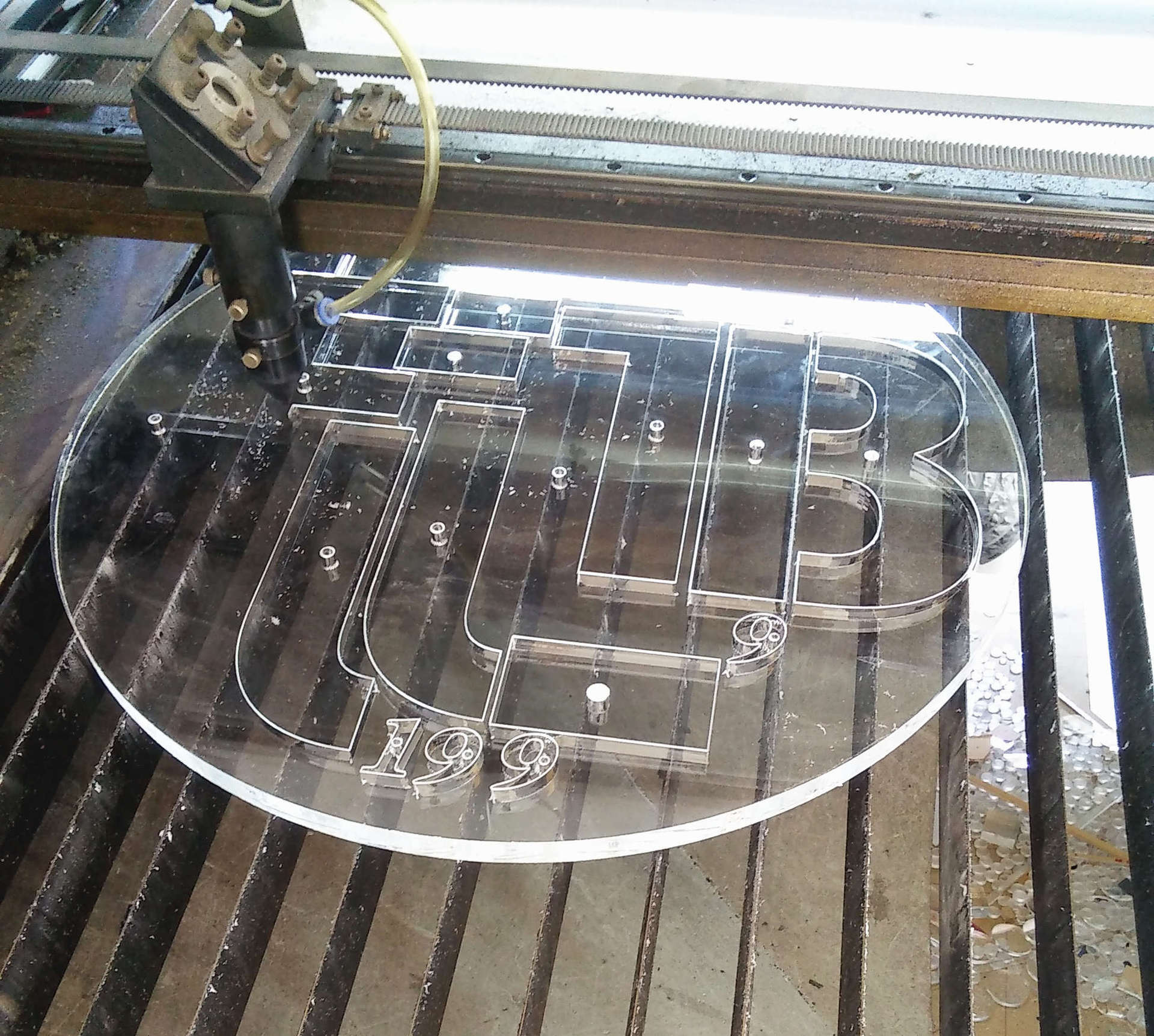
    How to cut clear acrylic with diode laser ? Some diode lasers have rich features that can help you to cut clear Acrylic (or transparent Acrylic ).

    Acrylic sheet is used in everything from windows and wall partitions to lighting fixtures and canopies. Acrylic for Transportation Applications– Acrylic is used throughout the transportation industry in instrument panels, windows, windshields, and mirrors.

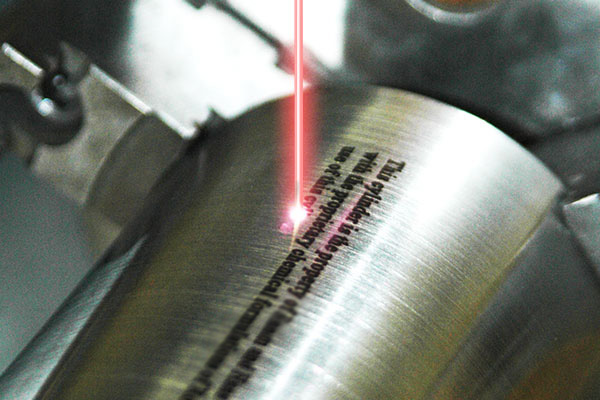
    In laser engraving or laser cutting, powerful laser beams strike the surface of the material and increase its temperature in no time. Due to the sudden rise in temperature, the material changes to a gaseous state from solid. However, it depends on the type of material you are engraving and its boiling temperature.

    Acrylic is a material that directly changes to the gaseous state from the solid when its temperature quickly reaches the boiling point. It is because the boiling point of acrylic is only 200°C. Laser engravers can quickly increase the temperature of acrylic, so the material from the surface evaporates and leaves a cavity or deep mark. This deep mark is known as engraving.

  • NSSW146AT nssw146at Diode LD Nichia japan CORPORATION

    NSSW146AT nssw146at Diode LD Nichia japan CORPORATION

    NSSW146AT nssw146at Diode LD Nichia japan CORPORATION

    NSSW146AT (Light Color : White)
    Pb-free Reflow Soldering Application
    Built-in ESD Protection Device
    RoHS Compliant
    ISO/TS16949 Compliant

    Part Number,NSSW146AT
    D/C,22+
    Packaging,ESD/Vacuum/Foam/Cartons
    Warranty,90Days
    ROHS,yes
    Lead time,1-3 Working Days

  • laser podiatry

    laser podiatry

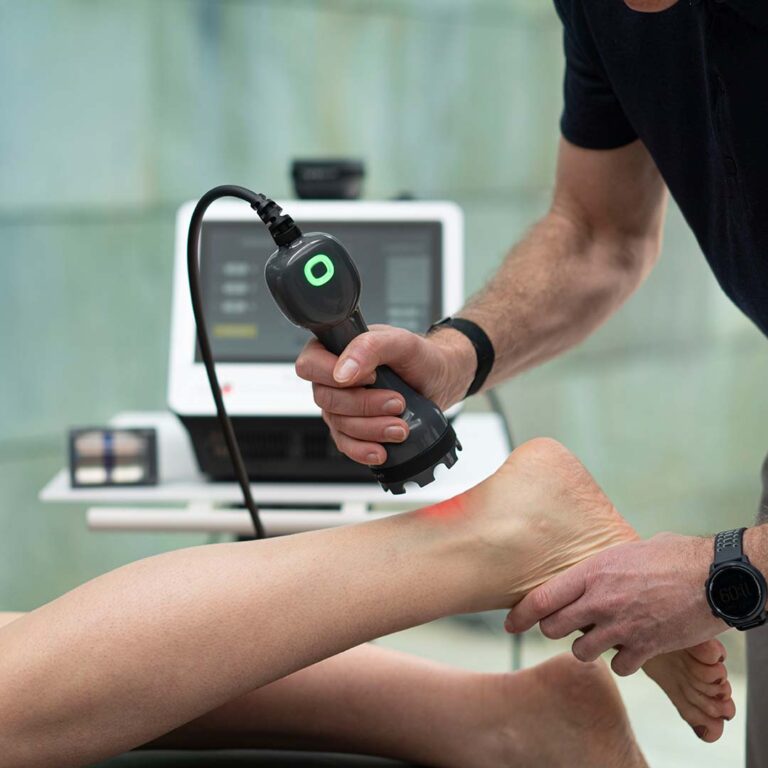
    Laser podiatry is an exciting new technology . The laser podiatry is helping to treat fungal nail infections and warts that are hard to get rid of.

    Most laser podiatry practices are focused on treating foot pain. This can happen because of inflammation caused by things like neuritis, plantar fasciitis, circulation problems, or diabetic pathology, to name a few.

    By stimulating mitochondrial activity, photobiomodulation with a class IV laser has been shown to quickly reduce pain . The laser podiatry can help injured tissue move through the stages of healing. It is a powerful tool, which can be used as part of a full plan of care to help treat a wide range of conditions that are common in podiatry.

    IN PRACTICE, laser podiatry is USED FOR:

    Plantar fasciitis

    Morton’s neuroma

    Diabetes nerve damage

    Pathology of the Achilles tendon

    OA pain in the foot and ankle

    Joint swelling

    Pain when putting weight on

    Laser Podiatry Associates knows that when your feet hurt, your whole body does, too. The pain in your feet and ankles is so bad that it makes you stop in your tracks. Our Drs. Kenneth J. Benjamin and Jennifer E. Mullendore use their more than 40 years of experience to give you the full foot and ankle care you need to get back on your feet and back to living your life.

  • laser treatment for knee replacement scar tissue

    laser treatment for knee replacement scar tissue

    laser treatment for knee replacement scar tissue. Scar tissue from a knee replacement can be treated using lasers.

    The use of laser treatment helps to lessen the production of scar tissue, which in turn lowers inflammation levels and expands a patient’s range of motion. This leads in a quicker recovery as well as the possibility to begin physical treatment sooner or to increase the efficiency of physical treatment that is already being received.

    Treatment Options for Knee Scar Tissue

    Treatment options for arthrofibrosis are dependent on the amount of scar tissue that has grown in the affected knee. In many instances, a rigorous course of physical treatment might resolve the issue once and for all. People who have conditions that are more severe can require further surgical procedures. Take a look at the many kinds of treatment that could be provided to you.

    Treatment with physical treatment involves the use of exercises designed by a physical therapist to help strengthen the tissues and muscles surrounding your knee joint. This covers various kinds of passive stretching as well as approaches that include physical mobilization. ‌

    During the manipulation process, the joint will be moved in very particular ways in order to loosen and break up the scar tissue. This is often done under the influence of anesthetic. ‌

    Arthroscopic Procedure: Sometimes, your physician will offer arthrolysis, a minimally invasive operation to eliminate scar tissue. This surgery can be done in conjunction with arthroscopic surgery. This kind of treatment is gaining increasing levels of acceptance. ‌

    Open Knee Surgery: If your arthrofibrosis is severe, you may require extra surgery in addition to the open knee surgery. Your doctor will most likely recommend continuing your physical treatment in some kind.

    It is imperative that you get treatment as soon as possible if you have just undergone knee surgery or have a persistent injury in order to keep the full range of motion in your knee.

    After having knee replacement surgery, what is the best way to break up the scar tissue?

    Scar tissue can be broken up with this treatment.

    treatment of the Physical Kind Scar tissue surrounding a joint can be broken up with the use of physical treatment, which can be helpful…

    Treatment Using Lasers…

    Injections of Corticosteroids…

    Shockwave treatment is used to disrupt the scar tissue….

    Scar tissue can be removed using surgical procedures.

  • trimble x7

    trimble x7

    trimble x7

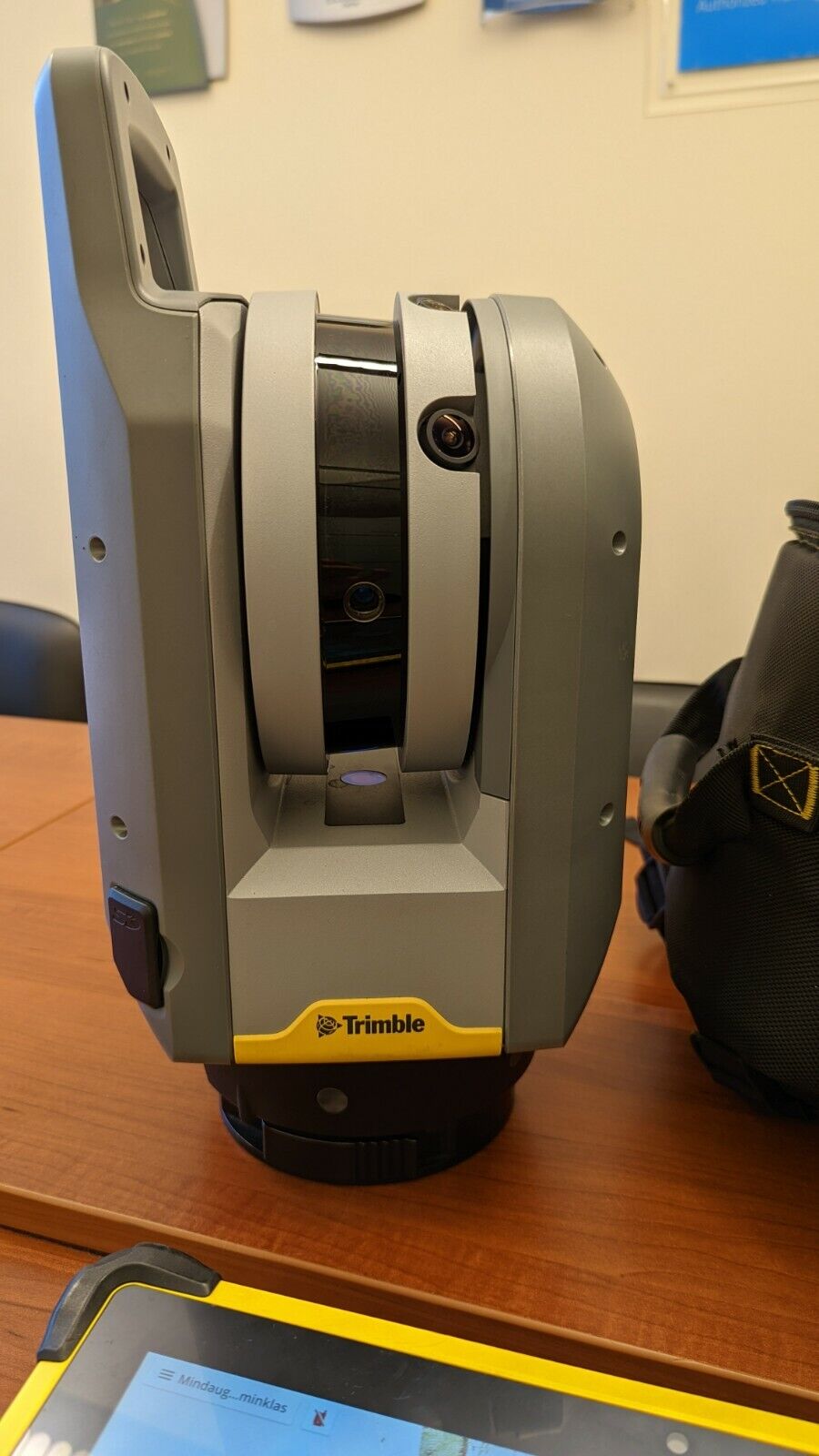
    The Trimble X7 is a high-speed 3D laser scanner that has integrated HDR imaging, automated calibration, survey-grade self-leveling, and a laser pointer. It also combines servo motor and scanning mirror in one device. The Perspective of Trimble Software that is intuitive to use for controlling scanners, seeing 3D data, and processing it.

    Powered by Trimble® Perspective, this high-speed 3D laser scanning system combines innovative technologies with the goal of simplifying adoption, increasing efficiency, and providing trust in the field.

    Automatic Calibration: Have full trust in every scan with the first intelligent calibration system available in the industry. There are neither aims nor requirements for user engagement. reports of calibration that are generated on demand

    Automatic survey grade level adjustment referred to as self-leveling.

    Your field productivity may be increased with the industry’s most complete automatic registration solution, which is offered by Trimble Registration Assist.

    The Laser Pointer is used to provide visual confirmation of particular points that are to be measured by Trimble Perspective.

    In Trimble Perspective, georeferencing is accomplished by linking registered scans to a project coordinate system.

    Where can I find out about the Trimble X7’s range?
    0.6m – 80m
    Range: 0.6m – 80m. Accuracy of the range is 2 mm. The range principle is a high-speed, digital method of measuring the time-of-flight distance.

    The Trimble® TSC7 controller is a powerful all-in-one device that combines the capabilities of a tablet, laptop, and survey-rugged field controller. When used in conjunction with the Trimble AccessTM field software, the TSC7 provides the most recent advancements in field technology as well as optimized processes and makes it possible to survey in the field in powerful new ways.

  • laser cladding

    laser cladding

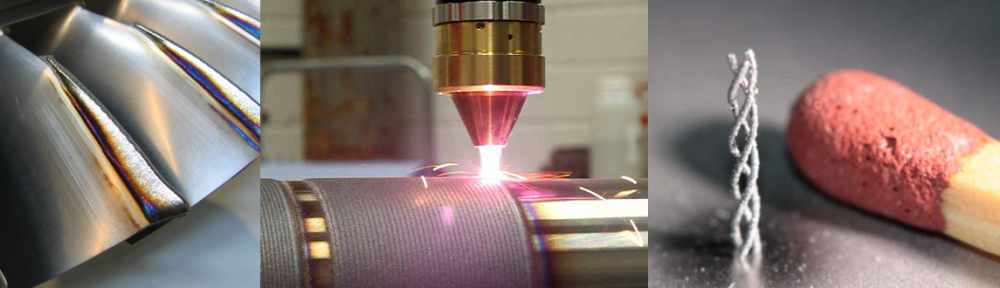
    A laser is used as the heat source in the process known as laser cladding, in which a metal coating is deposited to the surface of a component using the laser. The procedure is typically utilized to generate a protective coating for the purpose of enhancing functioning and to repair surfaces that have been damaged or worn.

    The process of laser cladding entails the introduction of a stream of metallic powder or wire into a melt pool that is produced by a laser beam as it scans over the surface of the target. This results in the deposition of a coating made of the desired material.

    Advantages & Disadvantages

    The usage of laser diode cladding, a relatively new technique, is becoming increasingly polished and applicable to current industrial settings. Despite the fact that there are still a great many drawbacks associated with the technology. In the following paragraphs, we will discuss both the benefits and the drawbacks of utilizing this method.

    Advantages;

    Cladding may be positioned exactly how one would like it to be.

    Both the substance being deposited and the medium that it is put upon might come from a very broad variety of sources.

    Deposits are completely welded to the substrate and have very little to no porosity in the process.

    The heat input is kept to a minimum, which results in a narrow HAZ (heat affected zone).

    When only a little amount of heat is applied, the substrate experiences only a slight amount of deformation, and there is less of a need for extra machining.

    Simple to automate and incorporate into production systems with CAD/CAM and CNC machines.

    When compared to NdYAG and CO2 lasers, the features include a superior surface quality, better beam absorption, better morphological characteristics, more uniform and reproducible outcomes, and fewer fractures.

    Time savings in manufacturing compared to more conventional cladding methods

    Improved regulation of the temperature

    A very efficient and cost-effective method of repairing components

    Manufacturing of a component that is functionally graded

    One of the most notable benefits of these lasers is that they have significantly lower costs of operation and maintenance.

    Self-regulating systems are able to adjust for the uneven motion that might occur when they are operated manually.

    In addition to providing a precise and functional coating, laser cladding allows for the rapid restoration of surfaces.

    bonding in metalworking that occurs after solidification

    Extremely high precision

    Almost completely devoid of pore space

    Consolidation in a single stage, applicable to both powder and wire

    aditive fabrication of the surface cladding

    5D and 3D material build-up with a lateral resolution of 30 m to 1 mm; the size of the item is not often a limiting factor.

    omni-directional motions

    The lifespan of the array is estimated to be at least 20,000 hours.

    When overlapping passes are used, they work well together to generate a flat surface profile that only needs a little amount of post-machining work.

    Can enhance the wear resistance of components by introducing a new material to the wear face.

    Extremely low energy use in comparison to more conventional practices

    Disadvantages;

    Costs of equipment and installation that are very expensive to put up.

    Large equipment size limitations. That the system cannot be moved from place to place

    A rapid rate of construction might cause cracking.

    The cladding may develop stress cracks if the power and setup are not done correctly.

    Due to the fact that laser diodes are a relatively new technology, there is a significant lack of both availability and capabilities.
  • solid state laser

    solid state laser

    Instead of using a liquid or gas as in dye or gas lasers, a solid-state laser uses a solid as its gain medium.

    Instead of using a liquid or gas as in dye or gas lasers, a solid-state laser uses a solid as its gain medium. Semiconductor lasers are also solid-state devices, however they are typically classified separately from traditional laser diodes.

    Metal cutting, medical procedures including eye surgery, laser printer and projector RGB light sources, environmental instrumentation measures, optical transmission systems, and even nuclear fusion are just some of the many uses for solid-state lasers.

    The divergence of solid-state lasers varies widely, from 1 milliradian to 20 milliradians, which is a major drawback of these devices. Similarly to CO2 lasers, the output power is relatively low. Loss of power happens when the rod gets too hot, as is the case with solid-state lasers due to thermal lasing.