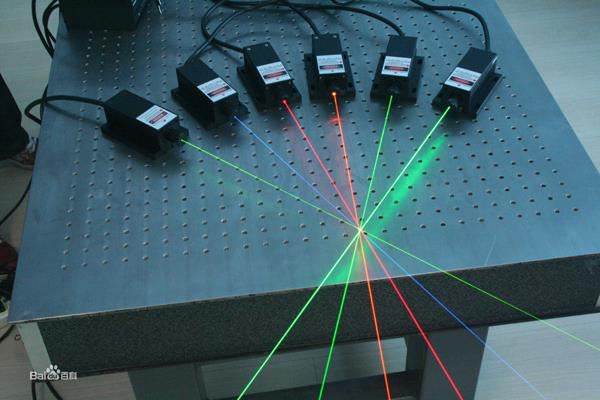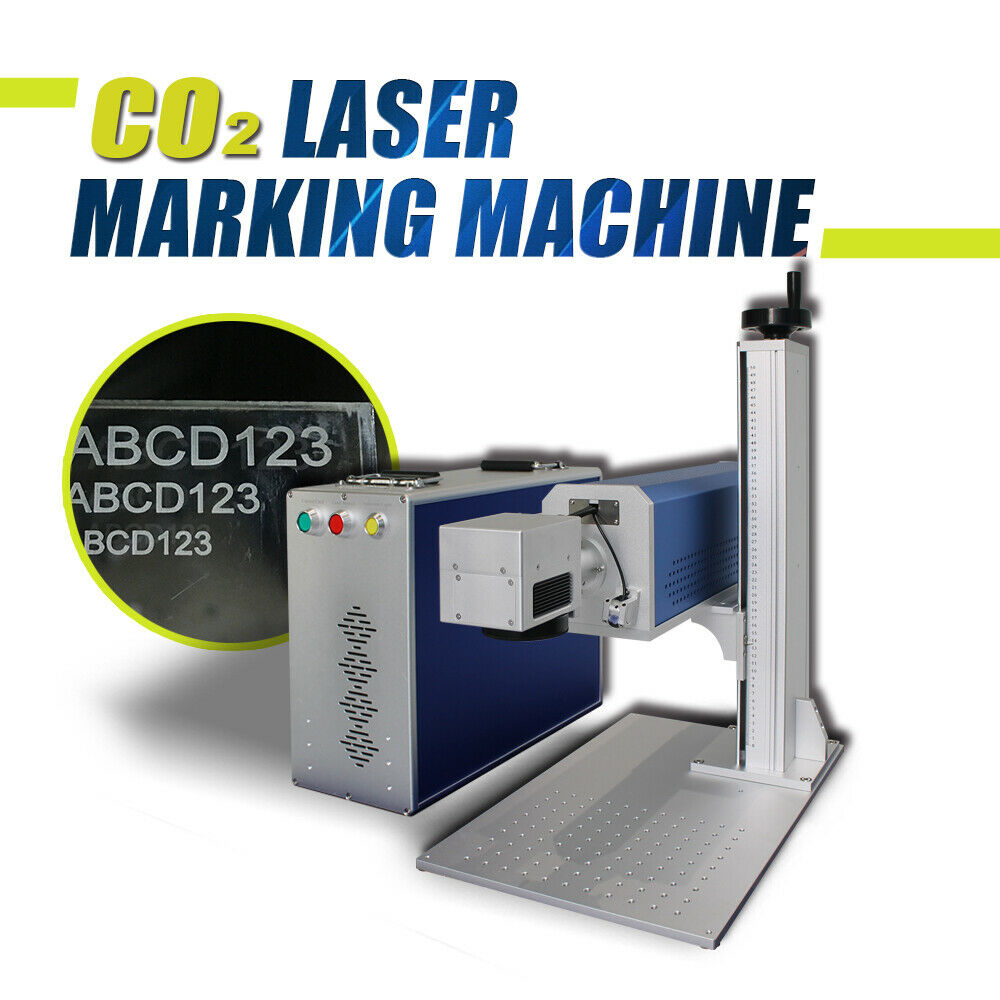
CO2 RF Laser Module 30W 10.6um Laser Source Metal Co2 Laser Tube for CO2 Laser Engraving Marking Machine
DAVI Laser Marker Engraver Marking Machine
CO2 Laser Module Path Synrad CRD Davi RF Machinery Parts 10.6um Marking Machine
Laser engraving is the practice of using lasers to engrave an object.
Laser marking, on the other hand, is a broader category of methods to leave marks on an object, which also includes color change due to chemical/molecular alteration, charring, foaming, melting, ablation, and more. The technique does not involve the use of inks, nor does it involve tool bits which contact the engraving surface and wear out, giving it an advantage over alternative engraving or marking technologies where inks or bit heads have to be replaced regularly.
The impact of laser marking has been more pronounced for specially designed “laserable” materials and also for some paints. These include laser-sensitive polymers and novel metal alloys.
The term laser marking is also used as a generic term covering a broad spectrum of surfacing techniques including printing, hot-branding and laser bonding. The machines for laser engraving and laser marking are the same, so that the two terms are sometimes confused by those without knowledge or experience in the practice.
Co2 Laser Tube
Power: 40W; Length: 700mm; Diameter: 50mm; Item includes: 1 x tube.
【Wires Pre-Connected】For easy installation, the high voltage end and low voltage port have been connected in advance. If any support needed when installing, feel free to contact us.
【Quality Assurance】Each tube is tested before shipping and we will provide a safe packaging. If any problem after receives the tube, do let us know. We are willing to provide the best services and will provide 3 months warranty (except man-made damage).
【Advantages】All of our tubes are coated with nano gold catalyst, compared to non-coating one, its power increase about 7-20W. Uses TEMOO mode for output, high spot concentration, higher energy and more stable power. Apply unique glass metal sealing technology, and ensure a longer service life.
【Application】This CO2 laser tube is mainly used for laser cutter or laser engraving machine, which can carve and cut acrylic, cloth, leather, bamboo, wood, engraving, etc.
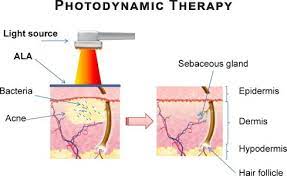
Photodynamic therapy ( PDT ), is a form of phototherapy involving light and a photosensitizing chemical substance, used in conjunction with molecular oxygen to elicit cell death. PDT is popularly used in treating acne.
Photodynamic laser therapy (PDLT) is a treatment that involves light-sensitive medicine and a DPSS laser source to destroy abnormal cells. The laser can be used to treat some skin and eye conditions, as well as certain types of cancer.
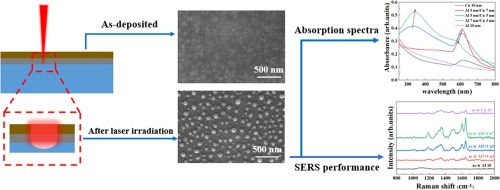
Real-Time Analysis of Laser-Induced Plasmon Tuning in Nanoporous Glass Composite
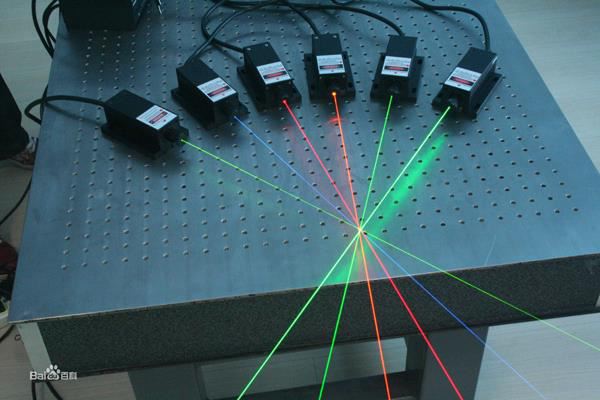
OEM UV laser packages and UV laser modules are available for all lasers: 257nm, 261 nm, 266 nm, 303 nm, 320 nm, 349 nm, 351 nm, 355 nm, 360 nm, 375nm
DPSS lasers(Diode-pumped solid-state lasers) are solid-state lasers made by pumping a solid gain medium, for example, a neodymium-doped YAG crystal, with a laser diode. DPSS lasers have advantages in compactness and efficiency over other types, and high power DPSS lasers have replaced ion lasers and flashlamp-pumped lasers in many scientific applications.
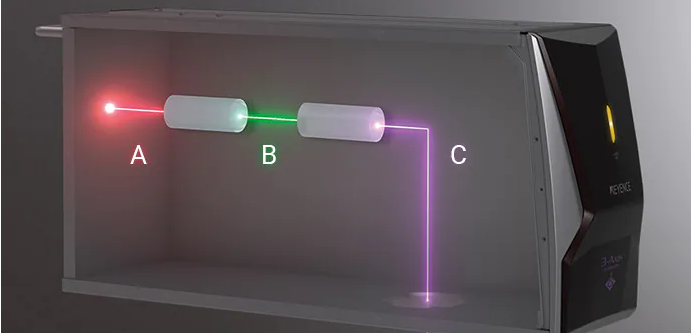
Laser Marking: CO2 vs. Fiber vs. UV Lasers
UV Lasers
UV lasers work a little differently to their CO2 or Fibre based siblings as they do not damage the materials surrounding surface, using a far lower power form of marking. This makes them the best of the bunch when it comes to “marking”, suitable for anything from fruit, to glass, teflon, diamond, silicone, plastic and precious metals. You really can mark almost anything with a UV laser!
How do UV laser marking systems work?
Operating at 355nm, UV lasers have a much shorter wavelength than the other technologies here. Using a process termed “cold processing”, UV lasers shoot high-energy photons in the ultraviolet spectrum that break the chemical bonds in the material which causes the material to undergo non-thermal process damage. This process does not produce thermal deformation (heat damage) on the inner layers and nearby areas of the target area.
A UV laser’s wavelength is one-third of standard wavelength lasers, therefore often referred to as third-harmonic generation (THG) lasers. This wavelength is achieved by passing a standard wavelength laser at 1064 nm through a non-linear crystal, reducing it to 532 nm, this is then passed through another crystal, reducing its wavelength further, down to the working 355 nm.
In summary, the UV marking process is extremely fine and controlled, making it great for delicate or accurate work. However, due to the process this technology employs, a UV laser marking system is not normally suitable for engraving or cutting.
Pros
Suitable for marking the widest range of materials
Great for delicate, accurate work
Very low power requirements
Long-life and maintenance-free period
Cons
Not very suitable for cutting or engraving
More expensive than CO2
Fiber Laser
Fiber lasers are the go-to option for part marking, engraving and especially metal. They are very well established in many industries and are often found on manufacturing lines, workshops and more, all around the world.
With most fiber laser modules possessing more than 100,000 operating hours before any maintenance is needed, they are exceptionally reliable (however other components in a laser marking system may require regular service). Moreover, as fiber laser engraver can be easily adjusted to achieve greater depth, they are very flexible and easy-to-use.
Operating at the 1,064nm wavelength, they are very well suited to metals, but can also operate on a much wider array of materials. This is why they are the most common choice for traceability marks such as barcodes, QR codes and text. Plus, their use for other graphics on things like personalised items, switches, phones, jewellery, becomes more popular day-by-day.
How do fiber laser engravers work?
When a fibre laser meets an object it evaporates the surface material to expose deeper material, essentially “carving” by chemical and physical changes. These changes are caused by the light energy (photons) reacting in the target area.
Fibre lasers possess a high electro-optical conversion efficiency, in layman’s terms this means they convert more of the energy to light (compared to CO2). In reality, this means fibre laser systems require less power to effect a material, resulting in a low power consumption for a fibre laser marking machine.
Types of Fiber Lasers
There are two common types of fibre laser you will find offered from manufacturers, we offer both types to suit the users budget. The main difference between these types of technology is the variety of pulse width and frequency.
Q-Switched
Arguably the most commonly found type of fibre laser source, it is also the cheapest. They are typically not as efficient nor do they possess as wide a range of pulse modulations. In turn, this means they are less flexible than a MOPA laser and are much more prone to deforming different materials.
MOPA
A MOPA laser is much more flexible, with a range of pulse width and frequency adjustments available they can suit more materials and are less prone to creating unwanted deformations once setup correctly. However, MOPA laser sources are quite varied in themselves, with both quality and modulation versatility differing between manufacturers. They are also more expensive than Q-Switched systems.
Pros
Versatile range of applications
Long-life and maintenance-free period
Fast engraving speeds
Cons
More expensive than CO2 lasers
Less versatile for marking than UV
Not suitable for some organic materials (wood, glass, fabric etc.)
CO2 Lasers
CO2 laser cutters and engravers are excellent for organic materials like rubber, wood, paper, glass and ceramic. They are also the go-to choice for cutting acrylic and other plastics.
CO2 systems are amongst the most common type of laser used for industrial engraving and cutting. Smaller, low power units are those most commonly used by hobbyists due to their low cost (but also have a far lower operating lifetime).
How do they work?
Making use of CO2 gas in a sealed tube, acting as the laser medium, they operate at the 10,600nm wavelength. Unlike other technologies here, CO2 lasers typically come in a plotter format, however they are also available in a sealed unit.
FORMATS
Plotter (Plotter Laser)
A plotter system is a motion system that usually contains several stepper or servos, rails and belts. Attached to this are a series of 3 or 4 mirrors that deliver the beam via deflection to a focus carriage that usually contains a single layer plano-convex lens.
Whilst operating, the lens moves over the work area, which is usually large and rectangular in shape, to deliver the focused laser to the work piece.
Sealed (Galvo Laser)
This is a sealed unit, typically containing 2 mirrors that are attached to galvanometers. The beam is focused through a fixed lens known as an F-Theta lens that at the 1µm wavelength. The work area is constraint by the characteristics of the lens and is usually quite small and circular in shape. Technically this is known as a beam deflection laser.
TECHNOLOGIES
DC CO2 Lasers
These are the most common type of lasers found in manufacturer systems as they are relatively inexpensive. Although effective, they are slower than RF systems. Moreover, the laser power output will gradually decline and they have a shorter working lifespan (although manufacturers may quote 10,000 hours, this is only when used at low power settings).
RF CO2 Laser Systems
RF systems may be more expensive, but the benefits outway the cost. We opt for this technology in our machines so they can operate at much higher speeds, in fact, our systems are typically more than twice the speed of other manufacturers. Unlike DC, the power output of the laser will remain virtually constant over its lifespan. Moreover the quality of the beam delivery and a life expectancy can be over 20,000 hours (almost 12 years of single shift work), so it’s a “no-brainer” when looking at CO2 laser cutters.
Pros
Can mark organic materials and glass
Good engraving speeds
Lower cost (excluding galvo lasers)
Cons
Shorter lifetime
Difficulties marking metals
Less accurate than the other technologies
Open source SBC
Open source volunteering is applicable to multiple systems
Car entertainment headrest
Karaoke machine
Smart access control
Smart class card
POS machine
Lottery machine
System Components:
CPU: Octa-Core Cortex-A7CPU @up to 2.0GHz
GPU: PowerVR SGX544GPU @ up to 700MHz
DDR: DDR3 32Bit 2G Byte
Flash: 8G /16/32 Byte EMMC compatible with Nand Flash design
Wi-Fi: WIFI+BT 4.0 AP6212 SDIO interface compatible with AP6335 design
Operation System: Andriod 5.1+Nibiru
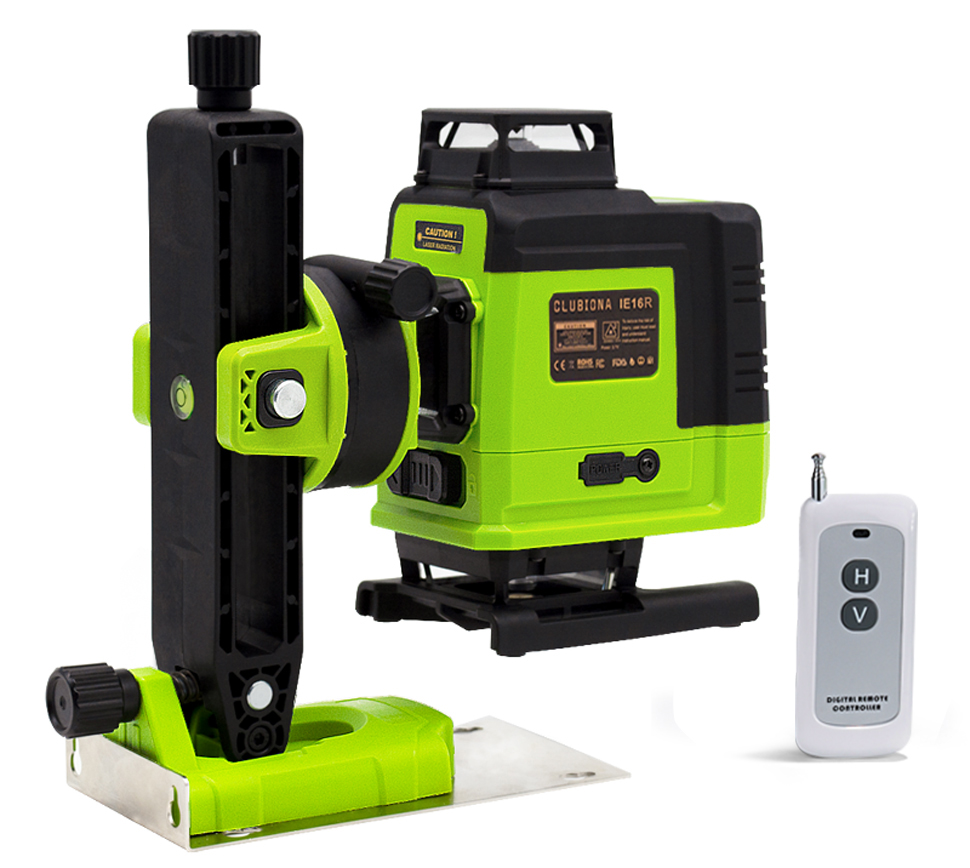
clubiona ie16r
Clubiona IE16R Professional German Core Floor and Ceiling Remote Control 4D Green Line Laser Level with 5000mah Li-Ion Battery