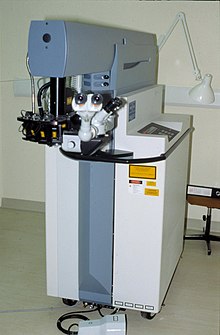
A laser beam called an excimer laser employs ultraviolet B (UVB) radiation to cure the skin’s afflicted areas.
The scalp can be treated, as can any other part of the body.
This procedure is extremely efficient, secure, and painless. Unlike a phototherapy device, which treats all exposed skin, the excimer laser only addresses the problematic parts of the skin. Usually, a treatment lasts no longer than 10 to 15 minutes.
Patients with: are the primary candidates for excimer laser treatment.
Vitiligo
Psoriasis
Eczema (atopic dermatitis) (atopic dermatitis)
Vitiligo sufferers are the majority of those treated with excimer laser treatment. Psoriasis. Eczema (atopic dermatitis) (atopic dermatitis)
After effective Excimer Laser treatments, psoriasis patients report significant periods of alleviation, with outcomes that can persist up to six months longer than plaque eliminated by other treatment.
Research demonstrates the great effectiveness of excimer laser treatment. In one study, after receiving excimer laser treatments for 10 to 20 weeks, patients had more than 75% of their face vitiligo repigmented.
Excimer lasers, also known as exciplex lasers, are a type of ultraviolet laser that are commonly used in the production of microelectronic devices, semiconductor-based integrated circuits or “chips,” eye surgery, and micromachining. Excimer lasers have been widely used in high-resolution photolithography machines since the 1960s, and are one of the critical technologies required for microelectronic chip manufacturing.
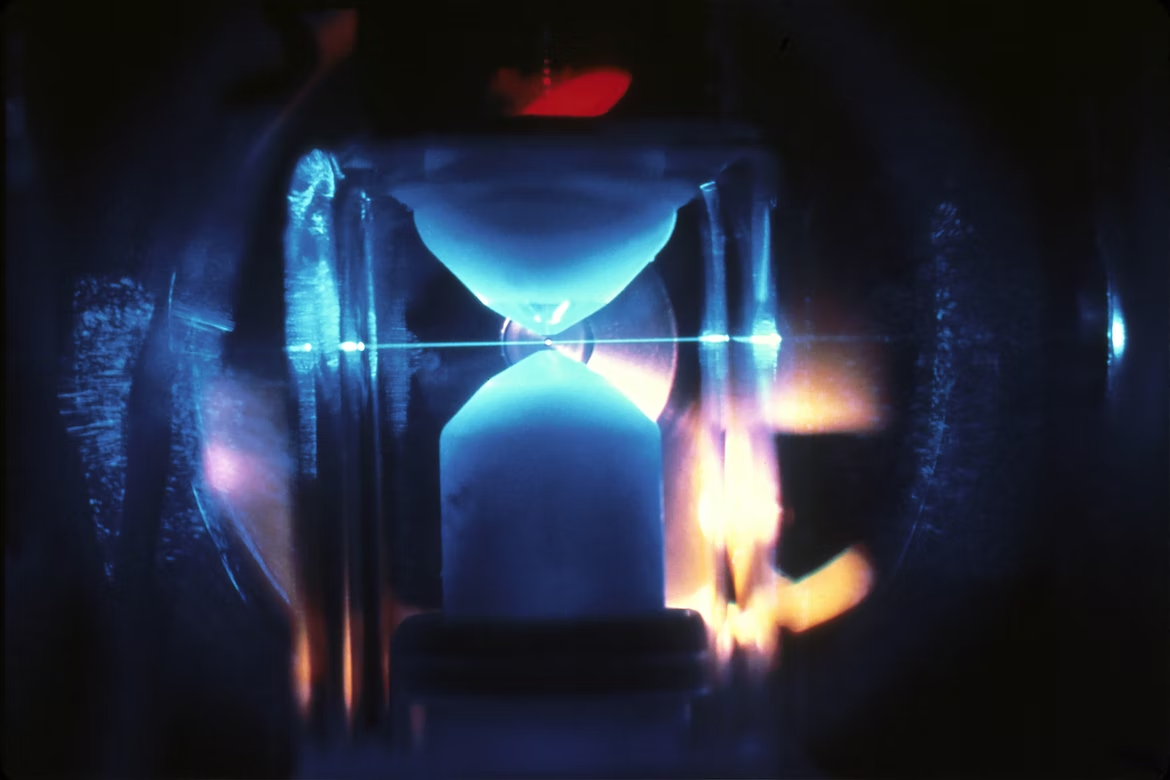
An excimer laser typically employs a noble gas (argon, krypton, or xenon) in conjunction with a reactive gas (fluorine or chlorine). Under the right conditions of electrical stimulation and high pressure, a pseudo-molecule known as an excimer (or, in the case of noble gas halides, exciplex) is formed, which can only exist in an energized state and can generate ultraviolet laser light.
Because an excimer molecule has a bound (associative) excited state but a repulsive (dissociative) ground state, laser action occurs. Noble gases, such as xenon and krypton, are extremely inert and rarely form chemical compounds. When excited (by electrical discharge or high-energy electron beams), they can form temporarily bound molecules with themselves (excimer) or with halogens such as fluorine and chlorine (exciplex). The excited compound can release its excess energy through spontaneous or stimulated emission, resulting in a strongly repulsive ground state molecule that dissociates back into two unbound atoms very quickly (on the order of a picosecond). This results in a population inversion.
An excimer laser’s wavelength is determined by the molecules used and is typically in the ultraviolet range of electromagnetic radiation:
Relative Excimer Wavelength Power
Ar2* 126 nm
Kr2* 146 nm
F2* 157 nm
Xe2* 172 & 175 nm
ArF 193 nm 60
222 nm 25 KrCl
KrF 248 nm 100
XeBr 282nm
308 nm XeCl 50
XeF 351 nm 45
Excimer lasers are light pulse-emitting gas lasers that produce an excited dimer via an electric discharge of a gas mixture containing an inert gas and a halogen gas, resulting in a molecule ArF that exists only in the excited state and has a life time of the order of 20ns.
Excimer Laser Therapy is a laser beam that uses ultraviolet B (UVB) light to treat the affected areas of skin.Any area of the body can be treated, including the scalp.
This treatment is highly effective, safe and painless. The excimer laser treats only the affected areas of skin as opposed to a Phototherapy unit which treats all exposed skin. Treatment time is typically less than 10-15 minutes.
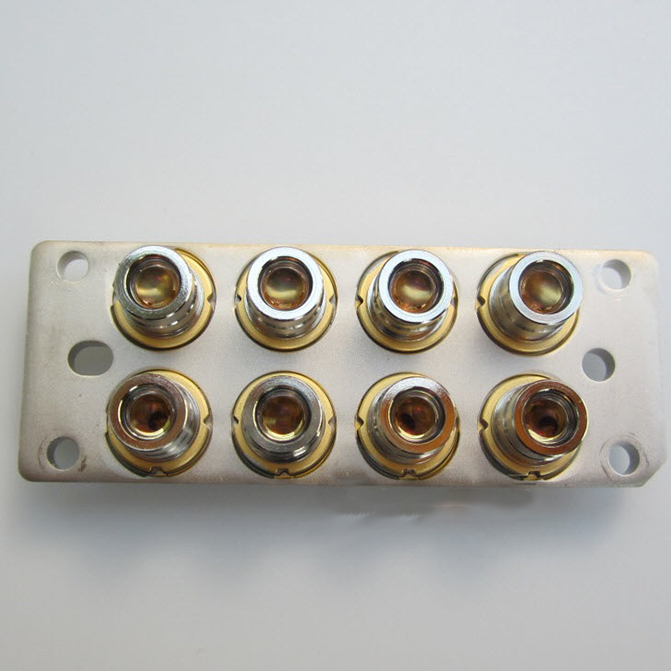
Distributed feedback laser (DFB) is a type of laser device that utilizes a diffraction grating to create an active region in a device, enabling it to emit light with a narrow line width. DFB lasers have become increasingly popular in industries and research laboratories due to their wide range of applications, such as optical communications, sensing, and medical technology.
Compared to other types of lasers, such as quantum-cascade or optical-fiber lasers, DFB lasers have unique advantages. For example, they offer stable output over time and temperature, low power consumption, and greater tolerance for misalignment in the optical system. Additionally, DFB lasers can produce light with reduced spectral line widths compared to alternative laser sources.
Distributed feedback laser devices use a diffraction grating for their active region, making them ideal for different scientific and industrial tasks. Their unique properties and design features enhance accuracy and performance compared to standard laser technologies.
One primary application of DFB lasers is in optical communications, which can be used in high-speed systems such as fiber-optic cables. The narrow spectral line widths enabled by the diffraction grating allow greater flexibility, allowing multiple signals to be coded onto one carrier or wavelength. As a result, these DFB fiber laser systems are increasingly reliable and robust, with less power consumption than traditional lasers.
DFB laser diodes can also be found at the heart of sensing systems, such as those used in astronomy, optical imaging, or chemical detection. The ability to produce light with high-resolution line widths enables accurate monitoring and tracking of various aspects of the environment around us, increasing safety and efficiency in many sectors.
The most significant advantages of DFB laser diode systems include the following:
They have excellent stability over time and temperature when operated at higher power levels due to their reduced sensitivity to thermal stresses.
Lower power consumption requirements.
Improved tolerance for misalignment within optical systems.
Enable higher speed in optical communications through narrow spectral linewidths that allow multiple signals to be coded onto one carrier or wavelength.
They can produce light with high resolution, making them ideal for use in sensing systems such as those used in astronomy, optical imaging, or chemical detection.
Complex active components and periodic structures enable better performance than alternative laser technologies.
Top Manufacturers of DFB lasers:
Eblana Photonics LTD: Dublin, Ireland. They specialize in MIR and NIR laser diodes. They have been in business since 2001 and have years of experience with DFB laser diodes.
CSRAyzer Optical Technology: Wuhan, China, They are an optical device supplier to a worldwide audience. They have been in business since 2013 and have one of the world’s most extensive production facilities for DFB lasers.
Frankfurt Laser Company: Friedrichsdorf, Germany. The team here has experience with DFB DBR and FP laser diodes. They offer a massive selection of power ranges and have been in business since 1994.
Conclusions:
Overall, distributed feedback laser diodes are powerful tools for scientists in many fields due to their unique properties, enabling better accuracy and performance than some standard laser technologies. As research continues into developing DFB devices, further advancements will likely lead to even broader capabilities for this type of laser diode.
Everyone’s heard about lasers, with most of us aware of the important role they play in communications. With fiber optic cabling now the best way to transmit information, lasers are more essential than ever.
A pivotal technology here is distributed feedback lasers. These are now essential to telecommunications, as well as a host of other research and commercial applications.
But what are DFB lasers?
Below, we’ll answer this question by taking at how distributed feedback diodes work, what they’re used for, and who supplies them. Whether you’re visiting out of curiosity or looking to use DFB lasers, keep reading to find out more.
What are DFB lasers?
DFB stands for “Distributed FeedBack laser” and refers to a type of laser used in fiber optics, telecoms, spectroscopy, atomic analysis, and precise measurement tools.
They are a type of semiconductor, quantum cascade, or optical laser that spreads light in a specific way to form a single-frequency signal.
They are valued for having low noise, a tunable wavelength, and for producing an extremely stable signal that works on a single longitudinal mode. Distributed feedback lasers are also considered extremely cost-effective despite costing more than traditional lasers.
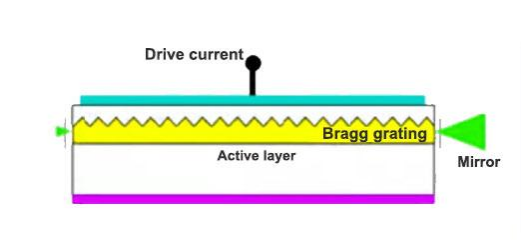
DFB lasers use Bragg grating
The structure of distributed feedback laser diodes consists of an active layer with a periodic grating on top.
Unlike other types of laser structures (such as Fabry-Perot), DFB fiber laser diodes don’t have mirrors sitting on either end of an optical cavity.
Instead, DFB lasers use periodic grating to create a Bragg diffraction effect capable of producing wavelength forms from 640nm all the way up to 14,000nm.
This corrugated grating surface can produce changes in the refractive index of the signal, acting as a wavelength-selecting element alongside a mirror.
This is then reflected back into the diode’s internal cavity, transforming it into a resonator.
Advantages and uses of DFB lasers
Modulation speeds up to 15Gbps
Narrow linewidth
Low-noise
Temperature resistant
Excellent side mode suppression
Strong signal over long distances
This alternative approach to diode structure produces a DFB laser linewidth that is narrow with a waveform that doesn’t mode hop.
Properly implemented, this distributed feedback suppresses non-single modes near the Bragg wavelength. This produces strong and clear signals that can operate over tens of miles before coherence becomes an issue.
This means fast modulation speeds of up to 15Gbps and DFB lasers being less susceptible to temperature interference than other types of laser.
Types of DFB lasers
Distributed feedback lasers typically come in two varieties:
Semiconductor DFBs
Also known as semiconductor DFB lasers, diode DFBs are built with an internal periodic grating structure on top of the active region or laterally coupled on both sides.
These diodes use the internal grating structure as a waveguide and have a linewidth value of 200 MHz and higher.
Fiber lasers
There are also fiber lasers that use Bragg grating to distribute and amplify light reflection through a fiber optic cable. DFB fiber lasers have limited output power but are compact and efficient.
This is considered a more difficult approach than semiconductor DFBs, however, as integrating high-contrast periodic grating into the cable is challenging.
Uses of DFB lasers
DFB lasers are now helping treat cancer and other soft tissue issues( Photo by National Cancer Institute on Unsplash)
Because the wavelength of DFB lasers can be finely tuned, they are highly prized within a variety of industries for a wide range of applications.
As well as barcode readers and image scanning, DFBs find themselves used most commonly for the following:
Optical communication: used by telecommunications and optical communication to carry strong, stable signals. DFB technology is especially useful for increasing the bandwidth of existing fiber networks through multiplexing.
Spectroscopy: having a narrow linewidth and the ability to tune the wavelength make DFB lasers essential to sensing applications. DFB gas detectors, for instance, can tune laser light to match the absorption line and oscillation linewidth of a gas to detect its presence.
Click here to learn more about how DFB lasers are being used in gas sensing applications.
Medical instruments: now that the size and cost of DFB lasers have become more commercially viable, they are increasingly being used within the medical field. Specifically, distributed feedback lasers are used to treat soft tissue issues such as cancerous tumors.
Where can I find DFB laser suppliers?
There are now manufacturers across the globe producing DFB lasers. Some of the main DFB suppliers include:
AeroDIODE: producing single-mode laser diodes capable of 180mW output power.
AlphaLas: distributed feedback laser diodes at wavelengths including 1030 to 1064nm.
Frankfurt Laser Company: offering DFB laser diodes with wavelengths ranging from 760nm to 3640nm.
iXblue: using Bragg grating to produce fiber lasers with extremely narrow linewidths with zero mode-hopping.
RPMC Lasers: large selection of DFB and quantum cascade lasers.
TeraXion: packaging DFB semiconductors, temperature controllers, and low-noise current sources within a single product.
Toptica Photonics: reliable DFB lasers in wavelengths ranging from 633nm to 3500nm.
FAQs
Why are DFBs more expensive than FP lasers?
Manufacturing DFB lasers is a lot more complex than traditional Fabry-Perot-type lasers.
As it stands, DFB manufacturing has a significantly lower yield rate, with each individual unit requiring more robust testing. However, with a single-mode output that is considerably more stable, DFB lasers are highly prized and in demand despite their higher price.
How are DFB lasers made?
DFB laser fabrication begins with a crystalline silicon structure called an epitaxial wafer. This wafer also contains rare materials that will help modulate the wavelength and power of the laser.
Using cutting-edge machines, gain regions and gratings are buried under cladding layers with special coatings applied to facilitate mode selection.
A single wafer will produce multiple DFBs once cleaved, chipped, and housed.
After fabrication, all DFBs undergo rigorous testing, including temperature resistance and and voltage checks, before being sold.
What’s the difference between DFB lasers vs. DBR lasers?
DBR lasers and DFB lasers are similar in that they both use Bragg gratings.
Structurally DBR lasers are an older technology that uses a high index contrast and high reflectivity. Manufacturing DBR lasers produce a higher yield but only produces a single frequency.
DFB lasers, however, are low index contrast with low reflectivity with a tunable wavelength.
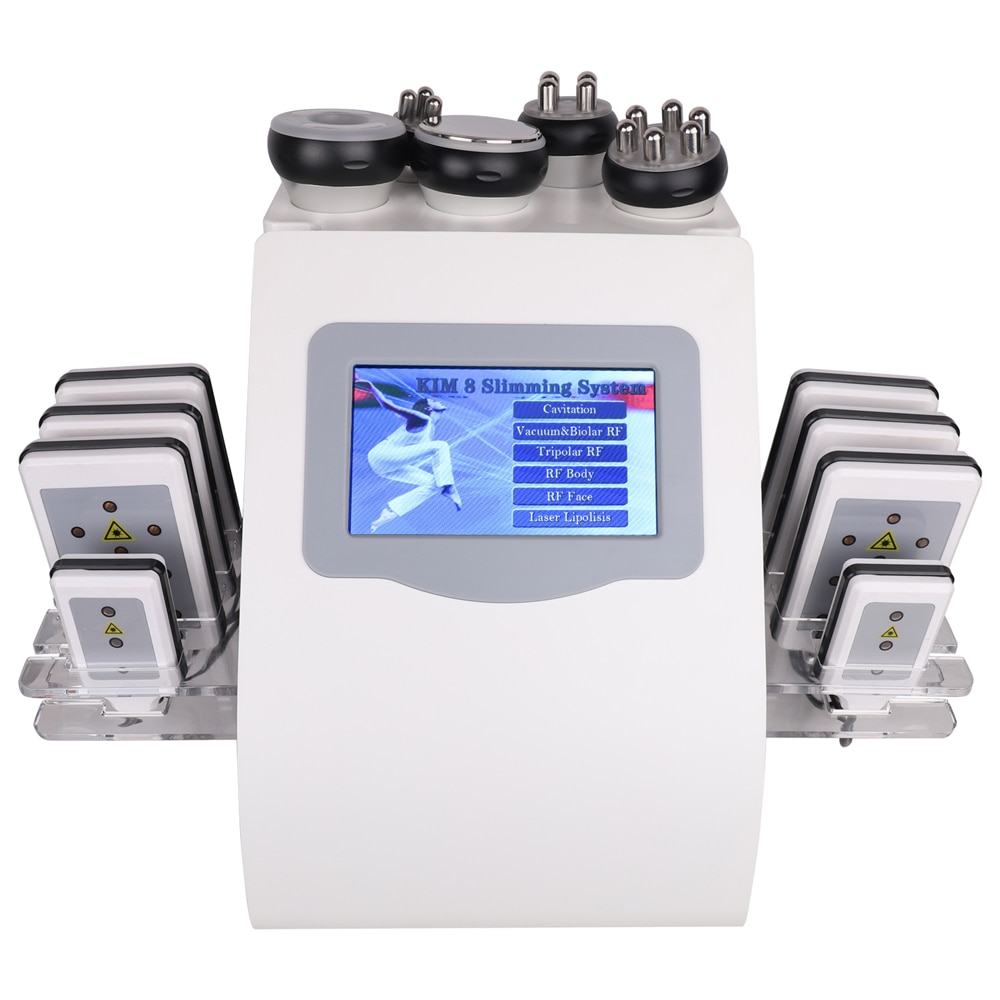
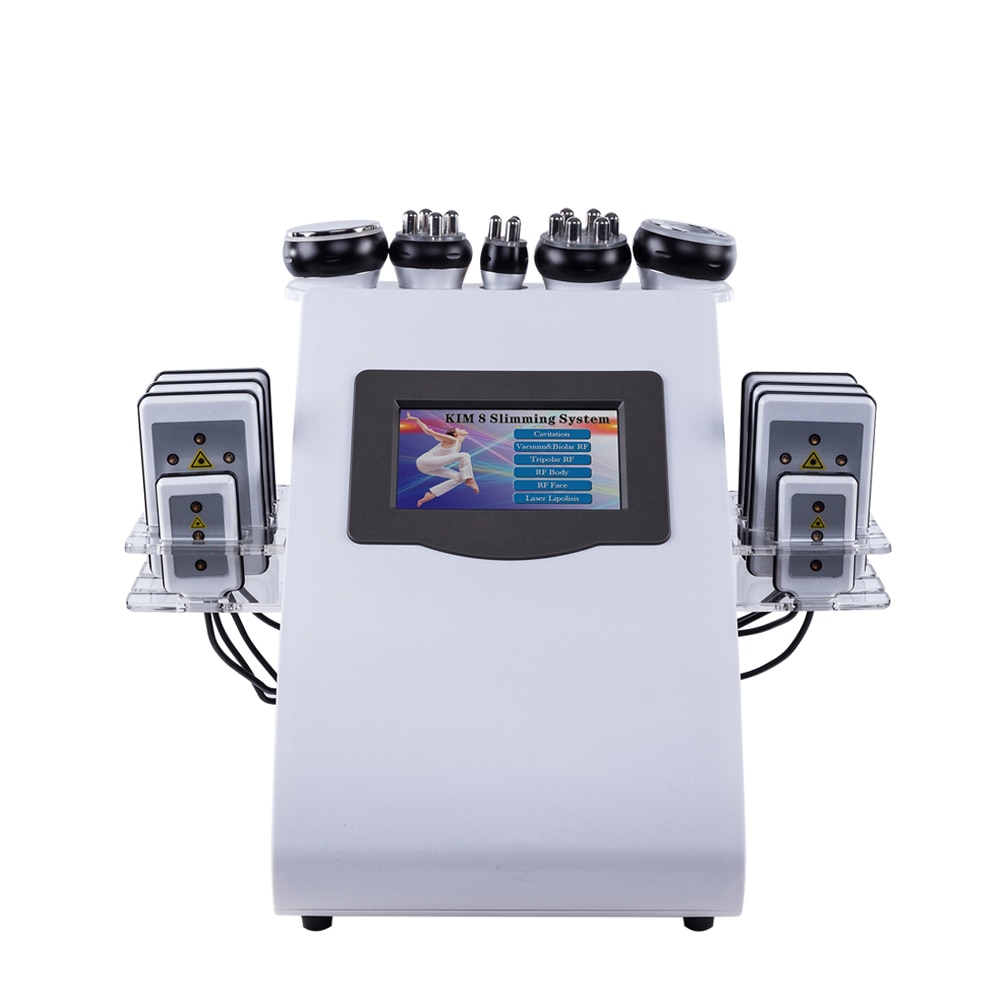
Traditional liposuction uses physical manipulation and a cannula to suction the fat from under your skin.Laser liposuction uses heat to liquefy and soften the fat before removal
Recovery time: With less postoperative swelling, no general anesthesia required, and an overall more efficient procedure, patients who undergo laser liposuction usually enjoy a shorter and more comfortable recovery period than those who choose traditional liposuction.
Laser lipolysis is a non-invasive form of body sculpting. It removes small fat deposits. Like surgical liposuction, this procedure permanently removes fat cells from your body. It’s much less painful, though, and laser lipolysis recovery is also shorter and less complicated.
In fact, a review in the journal Aesthetic Plastic Surgery notes that laser assisted liposuction appears to produce better results and has better patient satisfaction than traditional liposuction. However, without making healthy changes to the diet and lifestyle, the person may simply gain the weight back
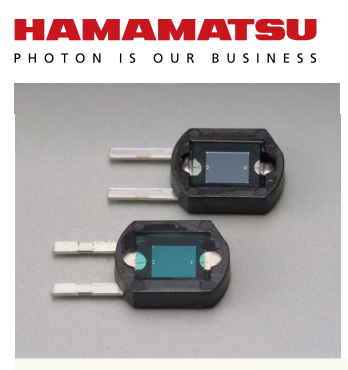
S1787-04 is a family of plastic package photodiodes that offer low dark current. Plastic package used is light-impervious, so no stray light can reach the photosensitive area from the side or backside. This allows reliable optical measurements in the visible to near infrared range, over a wide dynamic range from low light levels to high light levels.
gophotonics The S1787-04 from Hamamatsu Photonics is a Photodiode with Wavelength Range 320 to 730 nm, Capacitance 700 pF, Dark Current 10 pA, Responsivity/Photosensitivity 0.19 to 0.3 A/W, Rise Time 2.5 µs. More details for S1787-04 can be seen below.
Hamamatsu Photonics is a leading company of light technology and products. High level solutions for photometry systems, light sources, cameras, etc. Research projects.
Hamamatsu Photonics K.K. (浜松ホトニクス株式会社, Hamamatsu Hotonikusu Kabushiki-Kaisha) is a Japanese manufacturer of optical sensors (including photomultiplier tubes), electric light sources, and other optical devices and their applied instruments for scientific, technical and medical use.
Hamamatsu Photonics is a leading manufacturer of devices for the generation and measurement of visible, infrared, and ultraviolet light. These devices include photomultipliers, photodiodes, infrared detectors, image sensors, scientific cameras, and light sources. We also offer x-ray detectors and sources, as well as specialized photometric systems for semiconductor manufacturing, pharmaceutical development, nondestructive inspection, and academic research.
Hamamatsu is dedicated to the betterment of life through light-based technologies. Based on this corporate philosophy, we conduct basic research on the fundamental properties of light, while also making extensive R&D efforts in the development of new products. Our devices are used in scientific, industrial, and commercial applications around the world. We have a global network of operations.
In Japan: Global headquarters, manufacturing, and research facilities are located in Hamamatsu, Japan. Here we have four primary manufacturing divisions: Electron Tube Division (for products such as photomultiplier tubes, scintillators, light sources, and x-ray sources); Solid State Division (photodiodes, silicon photomultipliers, image sensors, infrared detectors, x-ray detectors, MEMS devices); Systems Division (scientific cameras, photometric systems); and Laser Group (laser diodes, quantum cascade lasers). Tokyo Stock Exchange, TYO: 6965.
In the Americas: Hamamatsu Corporation is the North American subsidiary of Hamamatsu Photonics. Our headquarters is in Bridgewater, NJ and we have a branch office in San Jose, CA.
In Europe: Hamamatsu Photonics Europe GmbH is the regional headquarters. Primary sales offices are located in Germany, France, Italy, Sweden, and the United Kingdom. Satellite sales offices in several other countries.
In Asia: Hamamatsu Photonics (China) Co., Ltd. in Shanghai provides primary sales support in China.
There are lots of high power laser pointers labelled 50W , even 100W on aliexpress, you can also find many 50W laser pointers online.
But in fact, the output power of 50W is not the real output power. The most powerful laser pointers is about 5W or 5000mW. They’re not 50W or 50000 mW . Many sellers label a regular 50mW laser pointer to 50W, because many customers like high power lasers.
Check this 50000mw 520nm Gatling Burning High Power Green Laser pointer kits on laserpointerpro . It’s not 50W laser pointer.
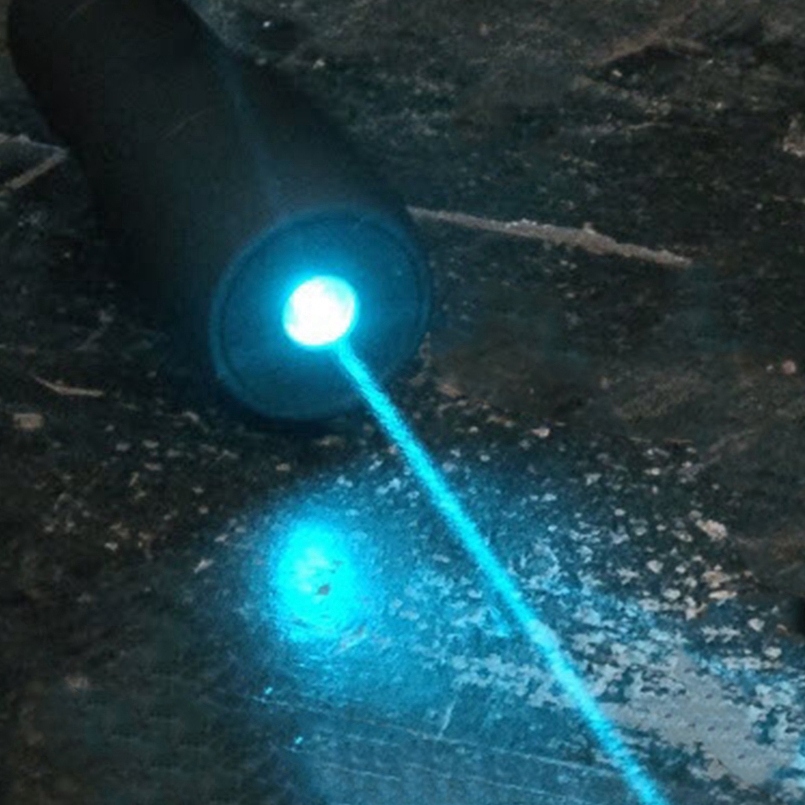
This 50000mW World’s Strongest Handheld Laser Pointer Ultra Powerful Bright Blue Beam Light Flashlight from htpow . It’s not 50W laser pointer.